Kyara Kongo and the Aloeswood of Emperors
Kyara sits at the very top of aloeswood grading — the rarest and most prized classification there is, above the grades most incense is made from. It doesn’t form on demand: the resin only develops inside certain Aquilaria trees after a rare natural infection, and only over years, sometimes decades. Most trees never produce it at all. That scarcity is why top-grade kyara can be worth more than gold by weight, and why it’s spent centuries being treated less like a raw material and more like a treasure.
That reputation isn’t exaggeration. The most famous piece of aloeswood in the world, a log called Ranjatai, has sat in the Shōsōin Imperial Repository in Nara for over 1,200 years and has only been cut a handful of times in its entire history. The most well-known instance was in 1574, when the warlord Oda Nobunaga was granted imperial permission to slice off a fragment for himself — a gesture that told everyone in Japan exactly how much power he’d accumulated. Aloeswood of this calibre wasn’t burned casually. It was cut for emperors, and occasionally for the people emperors needed to impress.
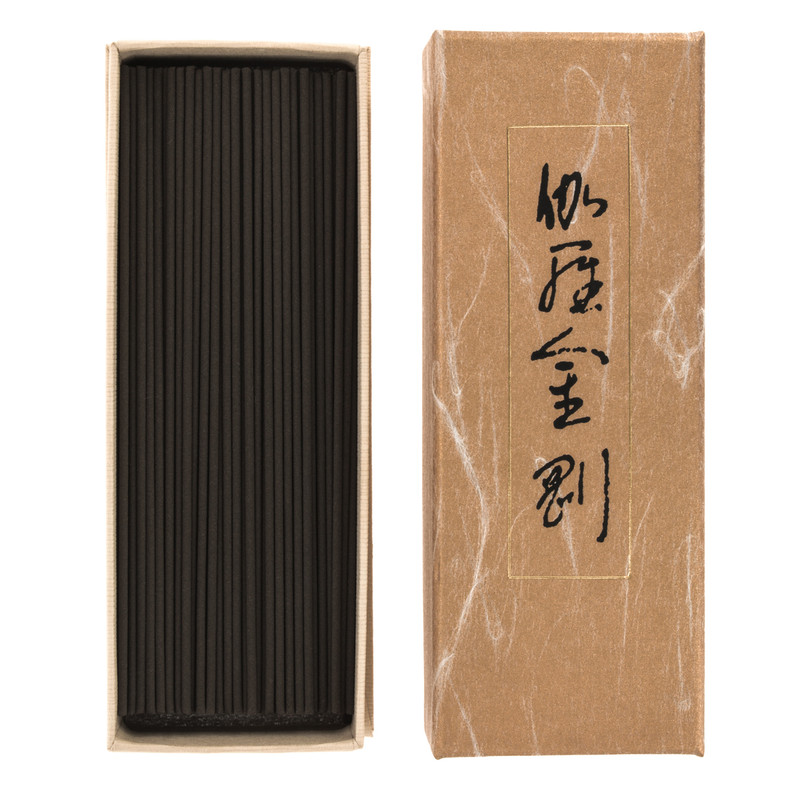
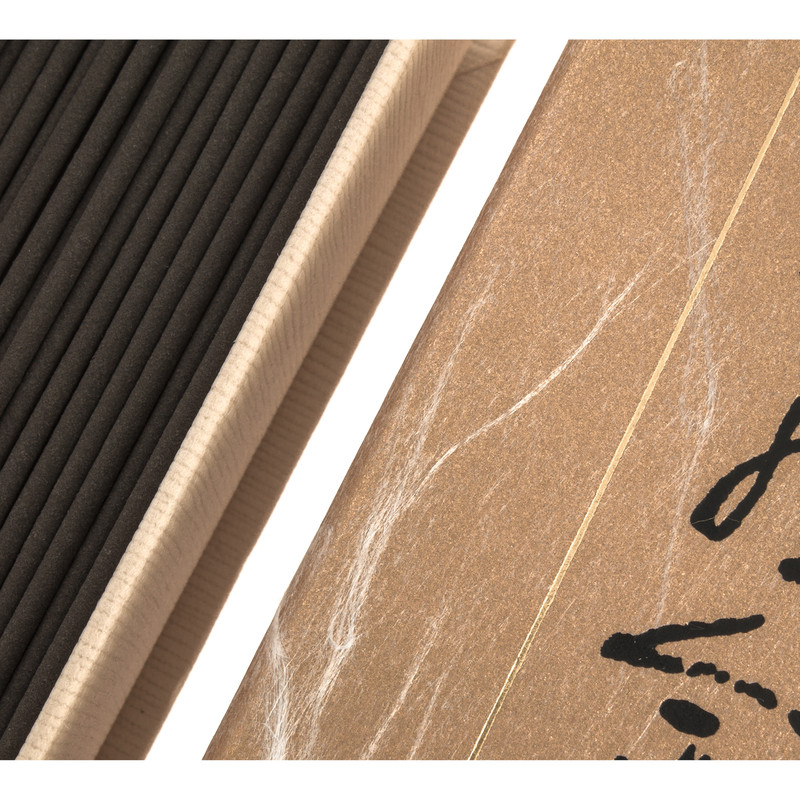
Kyara Kongo is Nippon Kodo’s incense built from that same grade of wood, and it’s made without a bamboo core — the sticks are solid incense material all the way through, rather than incense paste coated over a bamboo skewer. That’s a slower, more exacting way to make a stick, but it burns cleaner, without the faint bamboo scent that a cored stick can carry into the room.
Each box holds 150 sticks, roughly 220mm long, made in Japan. Burn time is 45 minutes, which makes this an incense suited to longer, uninterrupted stretches of quiet rather than a quick burn between tasks.
You can find Kyara Kongo Aloeswood incense in the shop – cklick on the image below.