The Story Behind the Speckled Candle Jar
The speckled glaze on these jars looks like a modern decorating choice, but the technique behind it is genuinely old. Potters in Staffordshire, England were producing spattered and sponge-decorated stoneware as far back as the mid-1700s, blowing or dabbing colour onto plain earthenware to make it more durable and easier to sell. It travelled to Scotland, then across to America by the 1840s, where it became a staple of ordinary, affordable kitchenware for over a century. What was once a practical way to dress up an everyday plate has ended up, a couple of hundred years later, as the finish on a candle jar — which feels like a fitting continuity for an object that’s meant for daily use rather than display.
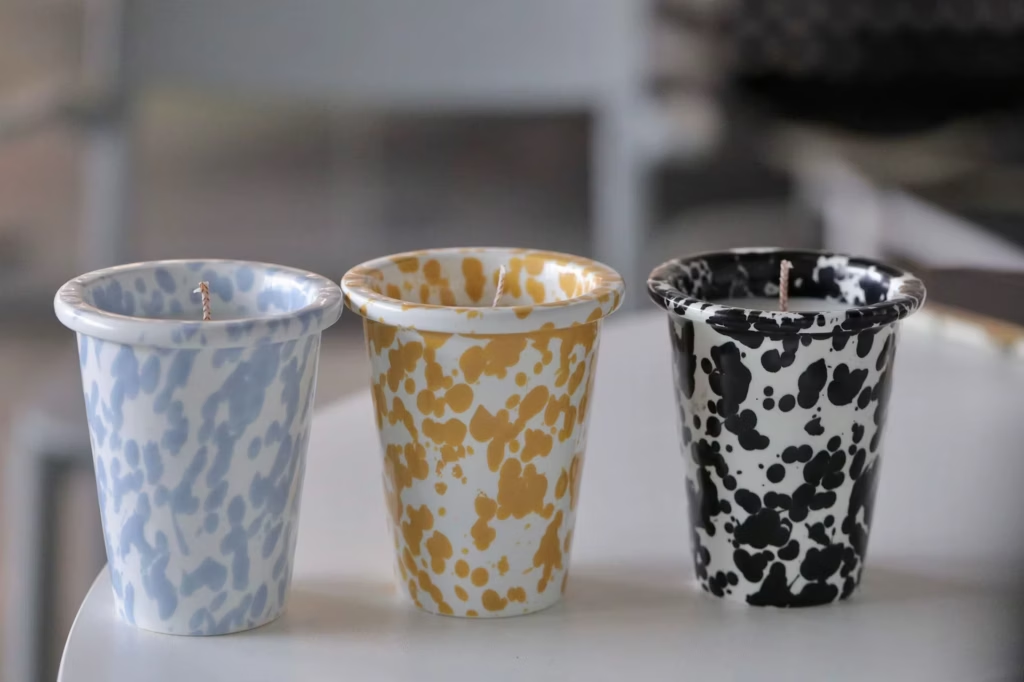
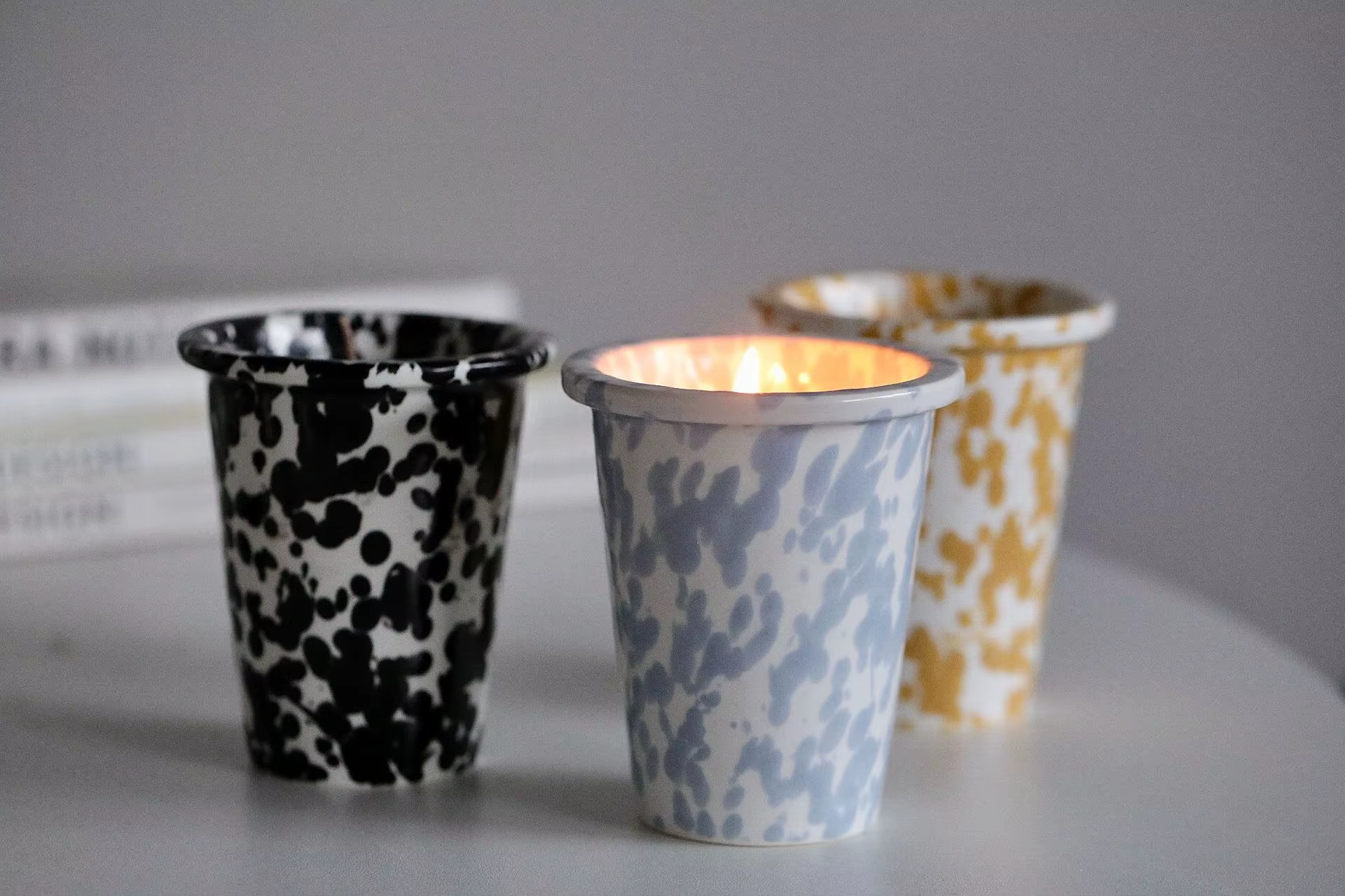
Each candle is made of plant-based wax, poured for a steady, even burn, and a ceramic vessel. The scent is deliberately restrained rather than heavy: Gardenia in the black jar, soft and creamy; White Tea in the blue, clean and understated; Little Freesia in the yellow, light and faintly sweet. None of them are designed to fill a room so much as settle into it.
A few basics keep the burn even: trim the wick to 5mm before lighting, and on the first burn let the wax melt out to the edges of the jar — around two to three hours — so it doesn’t tunnel down the middle on future burns. Keep burns under four hours at a time, away from draughts, and on a heat-resistant surface.
Once the wax is gone, the jar doesn’t have to be. It’s sturdy enough to hold pens, brushes, or anything small worth keeping somewhere decent-looking.
You can find the jar candles, in all three scents, in the shop – click on the image below.